
product details
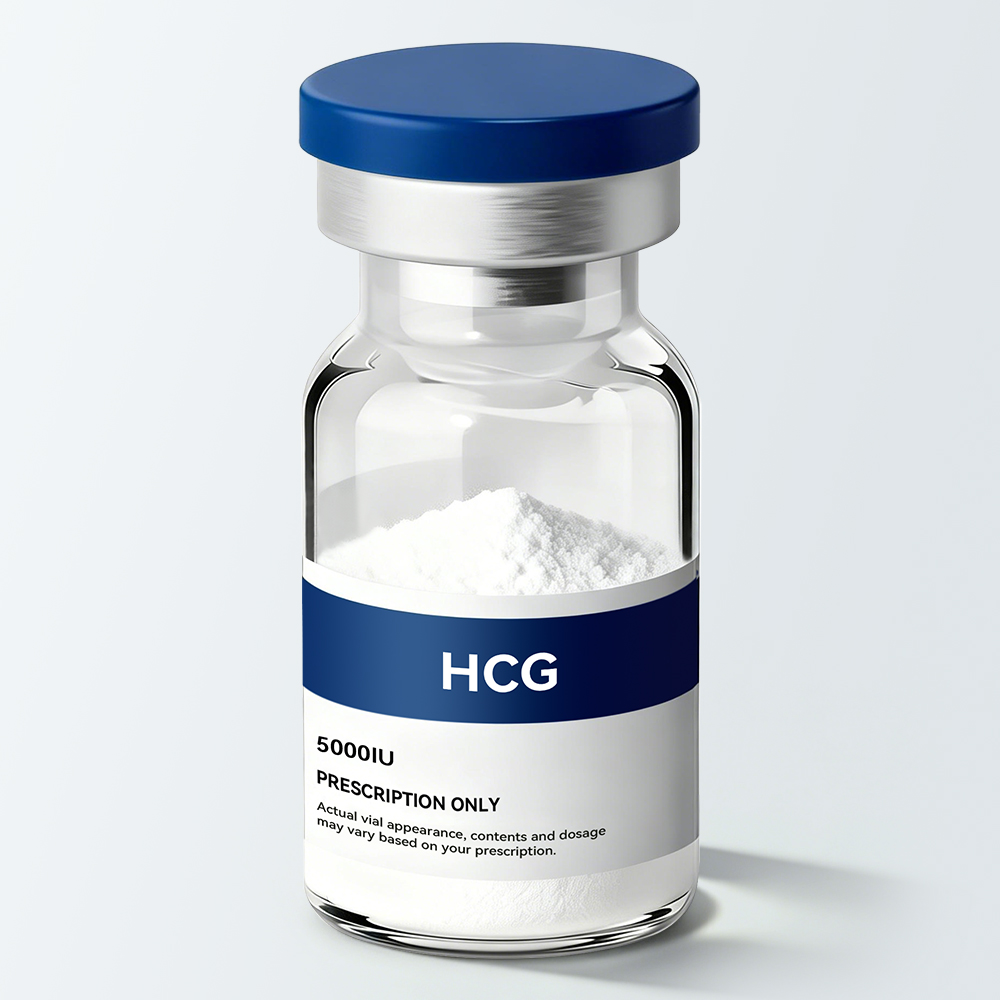
Human Chorionic Gonadotropin (HCG)
Human chorionic gonadotropin (hCG) is a glycoprotein hormone produced by the placental trophoblast shortly after conception. It consists of two subunits, α and β, with the β-subunit conferring biological specificity. Beyond its well-established role in maintaining early pregnancy, hCG and its derived oligopeptides have become valuable tools for investigating immune modulation, inflammation, and tissue regeneration.
Key Research Applications:
- Reproductive Endocrinology: hCG serves as a critical marker for early pregnancy detection and is studied in the context of fertility regulation and pregnancy maintenance .
- Immune Modulation & Inflammation: Synthetic oligopeptides derived from hCG (e.g., EA-230, AQGV, LQGV) have demonstrated potent anti-inflammatory effects, suppressing pro-inflammatory cytokines such as TNF-α and IL-6 while activating anti-inflammatory pathways . These peptides show promise in models of septic shock, acute lung injury, and ischemia-reperfusion injury.
- Autoimmune & Inflammatory Disease Research: hCG-related peptides have been investigated for their ability to mitigate rheumatoid arthritis, colitis, and other immune-mediated conditions through modulation of macrophage polarization and T-cell differentiation .
- Cancer & Cell Proliferation Studies: Research suggests hCG-derived oligopeptides may inhibit tumorigenesis and influence cell division pathways, offering potential applications in oncology research .
- Vaccine Development: Synthetic hCG β-subunit peptides have been explored as immunogens for developing contraceptive vaccines targeting hCG .
Quality & Handling:
| Specification | Detail |
|---|---|
| Purity | ≥99% (by HPLC) |
| Form | Lyophilized powder |
| Storage | -20°C, protect from light |
| Intended Use | For laboratory research use only (RUO). Not for human or veterinary use. |